Read below to learn more about Lakes and Dales by air, some of the most scenic routes, safe altitudes to fly in, and diversions.
- Lakes and Dales by Air – Planning the Perfect Scenic Route
- Tips for Planning Routes:
- Safe Altitudes and Terrain Awareness
- Diversion and Emergency Planning
- Pre-Flight Tips
- Lakes and Dales by Air – Attempting a Solo Flight
- Challenges of Flying Over Lakes and Water Bodies
- Handling Emergencies
- Why Choose Sherburn Aero Club?
Looking to travel to the Lake District or the Yorkshire Dales for scenic horizons and jaw-dropping terrain? Then this guide is just for you!
If you love nature and want a location that offers excellent opportunities for aerial photography, then look no further. You will get to witness rugged peaks, deep lakes, and a highly diverse terrain, which makes for a fantastic VFR run.
Read below to learn more about Lakes and Dales by air, some of the most scenic routes, safe altitudes to fly in, and diversions.
Lakes and Dales by Air – Planning the Perfect Scenic Route
Let’s take a look at some of the most classic route ideas that private pilots can take while visiting the Lake District and Yorkshire Dales:
Lake District National Park
Accessible via Manchester Airport, the Lake District offers a stunning combination of scenic flights and jaw-dropping natural features. If you are into aerial photography or want a memorable route with a loved one, then this is the place to go!
Getting to the region is also easy! The nearest airfield to the area is Berrier Airfield, but if you are looking for comprehensive services, then the next major airfield is Carlisle Lake District Airport.
This route offers rugged fells and beautiful deep lakes such as Windermere, Ullswater, and Derwentwater. It is by far the best route for private pilots looking to experience the best in the region.
Solway Coast
The Solway Coast and North Lakes loop is also a great route for pilots looking for diverse terrain and a mix of coastal and geographical landmarks.
Accessing the area is, fortunately, convenient. You can enter via Kirkbride Airfield. This airfield is the primary active airfield in the area and is extensively used today as a small commercial airstrip for light aircraft.
The Solway coast is excellent because it offers a stunning loop around Bassenthwaite, Keswick, and Grasmere – if you love nature and enjoy natural “architecture”, then you are sure to get your money’s worth! We recommend taking your time in each location and exploring the beautiful natural landmarks to the fullest.
Yorkshire Dales
Crossing towards the Yorkshire Dales can be incorporated if the weather conditions allow for it.
You can access the region via Leeds Bradford if you are looking for a traditional experience. However, if you are flying for both leisure and networking, then we recommend trying out local airfields like your very own Sherburn Aero Club, Elvington Airfield, and Bagby Airfield. These clubs offer scenic flights and training for access to the Dales' countryside!
Keep in mind, though, if you are trying to fit in the Yorkshire Dales in the same route, you will need to ensure that you have enough fuel as well, especially when travelling via valleys like the Eden or heading southeast from the Lakes towards Settle country.
Tips for Planning Routes:
For private pilots flying under good VFR conditions, visual cues such as landmarks and unique geographical structures are key in helping pilots navigate safely.
We recommend that you use up-to-date VFR charts to plot terrain and set waypoints. This will allow you to not only pick the best route but will also establish a high level of safety, especially if you plan to fly low to get good aerial shots.
Safe Altitudes and Terrain Awareness
Pilots are highly advised to follow the terrain clearance principles for maximum safety. Keep in mind that the terrain in the Lake District and Dales can rise quickly, so altitude planning is crucial.
As per general VFR guidance set by the Civil Aviation Authority, pilots must aim for 500 to 1000 ft above ground level as the minimum terrain clearance.
In particularly mountainous terrain or valleys, an AGL of 2,000 ft must be established. This adds a safety margin for downdrafts and turbulence, which can knock pilots off course or, in worst-case scenarios, cause them to lose control of their aircraft.
As for cruising altitudes, in the UK, VFR flying under 3,000 ft often doesn’t require pilots to set cruising levels. However, pilots must remain clear of clouds and remain in sight of the surface.
Weather conditions can also cause fog formation, which can hinder visibility. This is why pilots prefer morning weather, which usually has better visibility and smoother conditions in the Dales and Lakes region.
Diversion and Emergency Planning
Private pilots must cover various emergency scenarios in their flight plan. This will help them not only to anticipate problems but also enable them to safely get out of them.
When crossing remote areas, private pilots are advised to identify nearby aerodromes and even grass strips along the route. You can also access PPR lists from local flying clubs in Cumbria and Yorkshire.
Additionally, while you may be allowed to fly at low altitudes, you must maintain your aircraft as per the set AGL and operate your aircraft as per its limitations. Always keep an eye out for NOTAMs that may highlight areas shared with military or temporarily restricted airspaces.
Pre-Flight Tips
Before you take off, you will need to ensure that you have conducted all the necessary pre-flight and in-flight checks to get the most out of your route.
The conception of your trip must begin with a solid flight plan. The flight plan will contain all the necessary information about your trip, which includes details about the route, alternatives, fuel calculations, details of the terrain, and weather predictions.
Additionally, pilots must also ensure fuel and endurance calculations so that they have enough reserves to divert safely without pressure. You should also conduct a terrain study by looking at aerial maps and talking with experienced pilots about their runs over the same routes.
Finally, during the flight, pilots must keep terrain awareness and watch out for changing weather conditions. Keep in mind that even small gusts can cause a noticeable change when flying within valleys. A sudden gust or descending air can prove to be a surprise even in low hills.
Lakes and Dales by Air – Attempting a Solo Flight
Solo flights are an excellent way to experience an area and take in its beauty and gain new perspectives. However, solo flights also pose several challenges, especially for new pilots.
There are several factors that go into a solo flight. Let’s go over a few of the basics required to attempt it:
Age Requirements
As per the Civil Aviation Authority, the minimum age requirement for solo flight is 16 years old. However, for a pilot to apply for a licence, they must be at least 17 years old.
Training
Pilots must possess great ground and practical training. Ground school training is the theoretical side of flight training and extensively covers theories related to several subjects, such as aerodynamics, meteorology, navigation, principles of flight, air law, and more.
Flight training, on the other hand, emphasises actual flying. This includes learning about various manoeuvres, take-offs and landings, emergency procedures, and navigation basics.
Medical Requirements
To demonstrate that the pilot can fly an aircraft without hindrance due to medical reasons, the pilot must obtain a medical certificate.
A Private Pilot Licence requires a Class 2 certificate, and a Commercial Pilot Licence requires a Class 1 certificate.
Class 1 medical certificates are comprehensive and cover a lot of health parameters, while a Class 2 certificate is easier to obtain and is best suited for pilots looking to conduct casual flights.
Instructor Approval
If you have completed most of the requirements for your licence, you may get an endorsement from your flight instructor for a solo flight.
In this case, the flight instructor will endorse your logbook and confirm that you have met the requirements for the license and are ready to attempt a solo flight.
Challenges of Flying Over Lakes and Water Bodies
If you are flying over water bodies for the first time, then this route might pose a challenge for you, especially if you are a new pilot.
Let’s go over a few known challenges and how to overcome them:
Anxiety
Flying solo, and that too over a water body, can make anyone anxious – and this is expected.
Think about it, the whole idea is weird: you are putting yourself in a metal bird that can glide and soar through the skies at awesome speeds, and you have to navigate through valleys and fly over small water bodies and only focus on aviating the aircraft.
This can make anyone nervous. However, the easiest way to overcome this feeling is by gaining flight hours and practising. You should always focus on positive outcomes and try your best not to be totally consumed in the flight itself. Try to enjoy the sights and take in all of the beauty of the terrain over the Dales and Lakes!
Weather Problems
Weather is the defining variable in the success of flights. The weather can change at a moment’s notice, but luckily, there are several powerful tools in the hands of pilots that they can use to their advantage to anticipate these changes.
VFR flying is the safest; however, in certain conditions, things can go wrong. This is why we recommend that you always keep an eye on METARs or other related weather reports to know how the weather might change by the time you reach your route.
You can also use mobile applications such as SkyDemon to get real-time notifications about changing weather conditions and even get a neat overlay over your route.
Communication While In-Flight
Pilots are advised to always maintain contact with the ATC to remain visible on their radar. This is important for safety and compliance reasons and can make all the difference if things are to go wrong.
Before taking off, you will have to ensure that your transponder and communication equipment are working as expected. This can be done during the pre-flight inspection phase, which can help you highlight problems in your aircraft before you take off.
If you notice a problem, you will have to inform the engineering wing of your flight school so that they can address these issues.
Furthermore, while in the air, make sure that you keep communication concise. Pilots must always focus on piloting their aircraft and only communicate the most relevant information so that their full focus is on flying.
Handling Emergencies
Emergency scenarios are rare, but they can happen, even during VFR flights. This is why pilots must always train for the worst and cover alternatives that can help them get out of bad situations.
One of the biggest reasons for training for emergencies is that you will likely be flying over water bodies. Although not as extensive as flying over the ocean, flying over any type of water body is a cause for concern for pilots because they might have to consider the possibility of ditching their aircraft if needed.
Ditching is when pilots have to make an intended emergency landing over water. It sounds awful and is terrifying, but it is one of the most important ways to ensure survival, especially in the case of engine failure or a mechanical fault in the aircraft.
Preparing for emergencies can be done in two ways:
Route Assessment
Pilots must conduct a thorough route assessment to figure out how far from land they will be travelling, the maximum gliding distance, the presence of shipping or rescue resources near the body of water, and more.
This data will help them create a foolproof strategy that may help them get out of a tough jam while in the air. While not always successful, ditching can save lives if it is done properly and if the pilot is fully in control during the emergency.
Training and Practice
Pilots must receive realistic training, such as water survival drills, life raft boarding, and the best practices for remaining afloat until rescue services arrive.
Of course, in order for this to happen, you will need to ensure that you constantly establish radio communication with the ATC prior to attempting the ditch. By relaying all the relevant information and informing ATC about your intention of performing a ditch, you can significantly increase your chances of survival and being found.
If you are travelling with friends in a fixed-wing then you will be responsible for relaying all of the emergency procedures to the passengers.
Again, this is a rare scenario, but it must be taken into account, especially if you plan to fly over the Lake District, which has substantial water bodies and mountainous terrain.
All of this information is not to deter pilots from attempting this route but to prepare them for everything that might happen. Keep in mind that Dales and Lakes flybys are incredibly common and are done without any problems. However, by being prepared, like any good pilot, you can significantly increase your chances of success when attempting your current and future runs over similar routes.
Why Choose Sherburn Aero Club?
Sherburn Aero Club, which has been operational since 1964, is the ideal place for most of your training and flying needs. It is one of the largest flying clubs in the North of England and also one of the largest in the country.
For those who wish to experience the thrill of a flight for fun or to help fuel their aviation dreams, Sherburn offers experience flights for the newbie, as well as the veteran, in various types of light aircraft.
The flight experience option is also available for people who wish to take to the skies for special occasions, even if they aren’t into aviation in the long run.
If you wish to begin your career in aviation or wish to take to the skies as a hobby, Sherburn’s flight training school offers private and commercial licences, along with pilot medicals to ensure a smooth journey going forward.
With a large fleet of new aircraft and an airfield refurbishment with new runways, hangars, and an extended clubhouse, we cater to brand-new flyers who have just started their journey to the skies, as well as seasoned flyers who have been operating aircraft for decades.
Sherburn offers a dedicated day-long Flight Radiotelephony Operator’s Licence (FRTOL) course for those wishing to get the certification, running on the first Sunday of every month.
In addition to that, if you are looking for a hangarage for your own aircraft, need servicing or repairs, want to buy a new aircraft or aviation equipment, or are just looking to enjoy and watch the aircraft, Sherburn Aero Club is the place to be.
Call us at 01977 682 674, email us at flightdesk@sherburnaeroclub.com, or message us via our online contact form for more information on light aircraft, training requirements, licensing procedures, and travelling to the Lake District or the Yorkshire Dales.
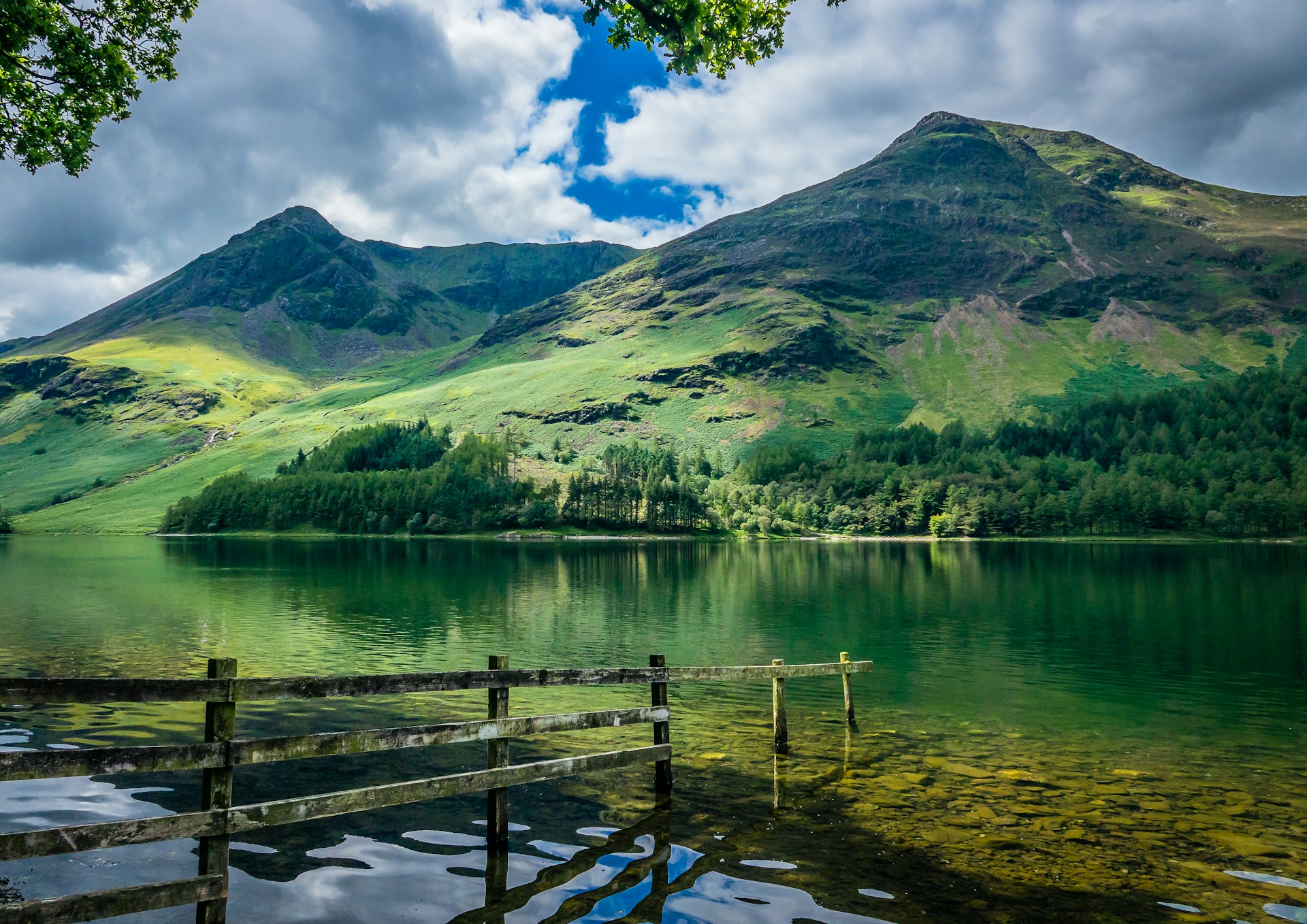
Photo by James Armes on Unsplash