Sea-breeze fronts along the East Coast can cause sudden gusts, turbulence, and visibility issues for light aircraft. This guide explains how sea breezes form, how to recognise them using forecasts and visual cues, and the safest strategies for avoiding their effects during coastal flights.
Aircraft Safety and Weather Conditions
Weather remains one of the most unpredictable factors in aviation. Although modern forecasting tools have greatly improved safety, sudden phenomena such as sea breezes can still cause complications for pilots, particularly those flying light aircraft.
Sea breezes occur when hot air rises over land, lowering surface pressure. Cooler, denser air from the sea is then drawn inland, creating gusty conditions. While insignificant for people on the ground, these gusts can affect aircraft stability and disorient pilots during flight.
Because of this, the CAA advises pilots to understand sea-breeze formation, anticipate gust behaviour, and avoid coastal flying during peak sea-breeze periods.
Aircraft Size
Light aircraft and microlights are highly responsive due to their low weight and design. This makes them efficient in calm conditions but vulnerable in strong winds. Larger aircraft are more stable thanks to their mass, but even commercial jets can struggle in severe gusts. For more on how weather affects light aircraft, see our guide on the impact of weather on light aircraft flying.
Pilot Experience
Sea breezes are sudden and powerful, often causing stress and confusion for inexperienced pilots. While experienced pilots may manage the gusts, many still prefer to avoid them altogether to maintain safety margins. New pilots can build confidence by practising in stable Visual Flight Rules (VFR) conditions before attempting more challenging coastal flying.
Weather Forecasts
Pilots rely heavily on forecasts such as METARs and TAFs to anticipate weather issues. Most weather-related accidents occur when pilots encounter conditions they did not expect or did not plan for. Thorough planning and real-time communication with ground control are essential when flying near the coast. For a broader overview, you can read our article on weather considerations for pilots in the UK and our guide to flight planning tools and apps.
Sea-Breeze Fronts on the East Coast: Spotting and Avoiding Them
Characteristics
Sea breezes are typically associated with noticeable wind shifts as the front moves inland. Moist marine air produces higher humidity, which can generate cumulus clouds or even showers if conditions support uplift.
The circulation cell of a sea breeze can extend several thousand feet, meaning climbing to a higher altitude may not always avoid the effects.
Influencing Factors
The geometry of the coastline affects how sea breezes develop. A strong gradient wind can distort or suppress a sea breeze, making its behaviour harder to predict.
The strength of the sea breeze depends on the land–sea temperature difference. Hotter land surfaces lead to stronger pressure drops and more intense gusts.
Sea Breezes in the UK
Sea breezes occur frequently on the UK’s East Coast. Flat coastlines such as those in Eastern England allow the sea breeze to penetrate far inland, creating unexpected gusts.
Pilots must also watch for haar or sea fret, a cold sea fog that drifts inland due to moist air moving over cool North Sea waters. This can significantly reduce visibility and create navigational challenges. If you are new to handling weather-related issues, it is worth reading our guide on flying in bad weather.
Spotting and Avoiding Sea Breezes
Most avoidance happens before the pilot enters the cockpit. Thorough weather analysis and situational awareness help pilots predict and avoid hazardous sea-breeze fronts.
Using Forecasting Tools
Pilots should monitor local forecasts from the Met Office and aviation sources. Tools such as the F215 and F214 provide information on surface winds, low-level winds, and temperature contrasts that may indicate sea-breeze development. Pilots can also use technology and apps described in our flight planning tools guide to support their decision making.
Visual Clues
Visual conditions can confirm forecast indications. Signs include:
- Cumulus lines marking the boundary of the sea breeze.
- Smoke or dust convergence showing low-level wind shift.
- Differences in visibility between inland and marine air.
Accounting for Time of Day
Sea breezes typically form late in the morning and peak in the afternoon when land–sea temperature differences are greatest. They weaken later in the day as the surface cools.
Strategies to Mitigate Risk
Pilots can reduce risk by planning routes that avoid coastal areas during peak sea-breeze hours. When flying near the shoreline, they must anticipate low-level wind shifts and possible turbulence and choose stable approach speeds and flap settings.
Understanding local coastal wind behaviour and speaking with instructors or experienced pilots helps develop intuition. Debriefing with pilots who have recently landed can provide valuable real-time information.
Practising slow-speed handling, turbulence recovery, and go-arounds prepares pilots for unexpected gusts. For broader safety context, see our article on light aircraft flying safety.
Weather-Related Facilities at Sherburn
Webcam and Weather Details
The Sherburn Aerodrome weather and webcam station updates local weather information every few minutes. The webcam provides real-time visibility, helping pilots assess flying conditions before departure.
Simulator Training
Sherburn’s simulator is free for members and ideal for practising flight in adverse conditions, particularly for pilots without an Instrument Rating. It is a safe environment to rehearse scenarios involving sea breezes, turbulence and changing winds before flying for real.
Flight Radiotelephony Operator’s Licence (FRTOL) Course
Effective radio communication is vital during bad weather. Sherburn offers a monthly Flight Radiotelephony Operator’s Licence (FRTOL) course to help pilots develop clear and confident communication skills. For more background, you can also read our blog guide on flight radiotelephony and FRTOL.
Why Choose Sherburn Aero Club
Sherburn Aero Club has operated since 1964 and is one of the largest flying clubs in the UK. The club provides training for new and experienced pilots, simulator access, night training, and weather resources.
Experience flights are available for both newcomers and enthusiasts. Whether you are learning to fly or seeking to enjoy aviation recreationally, Sherburn provides a comprehensive and supportive environment.
For more information on weather-related flying, training, or experience flights, call 01977 682 674, email flightdesk@sherburnaeroclub.com, or browse the rest of our pilot advice and information blog.
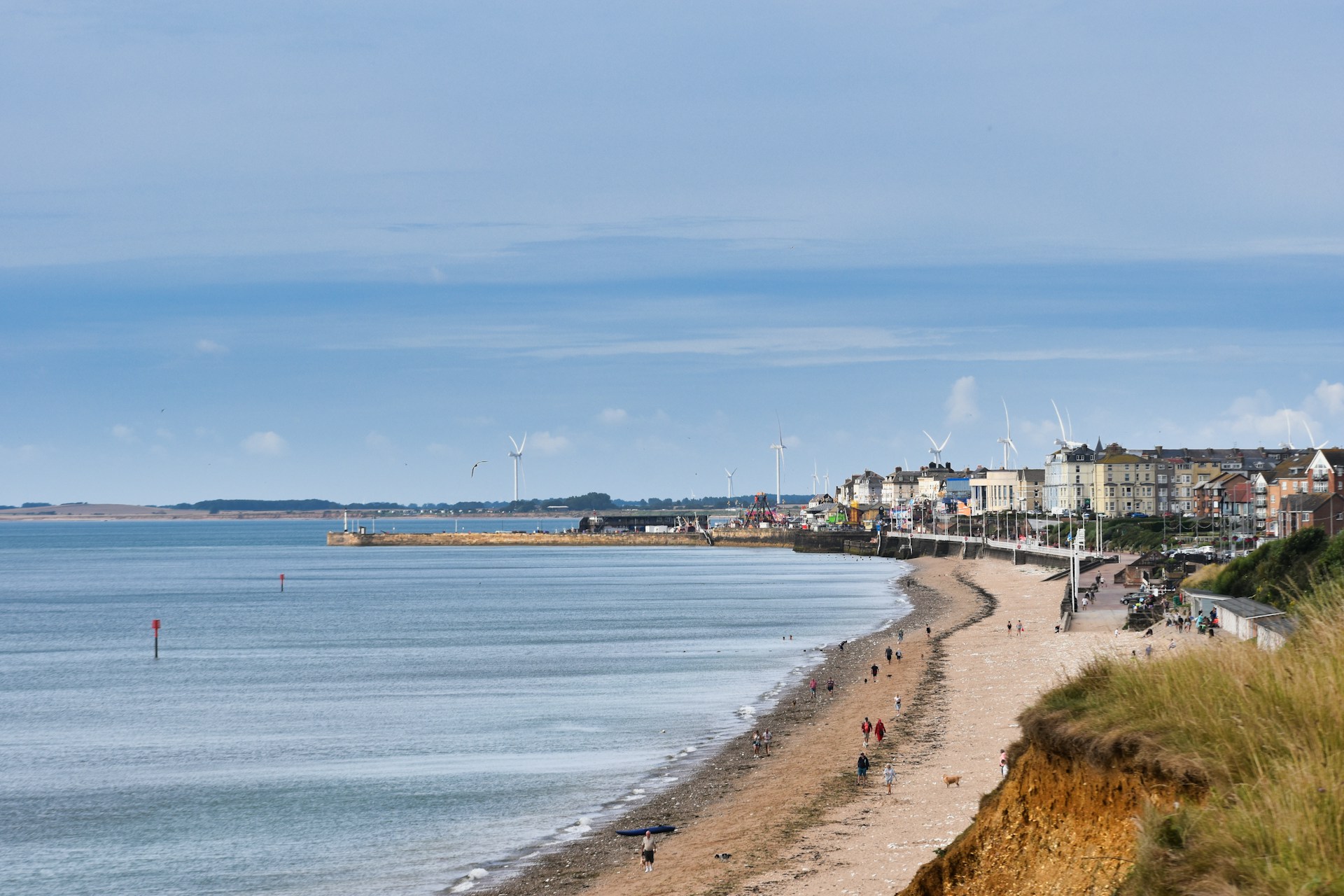
Photo by Andrew Hall on Unsplash