In this guide, we will go over the differences between dual and solo flying and how instructors know that students are truly ready for their licence.
In aviation training, solo and dual flying are important cornerstones that are used to gauge the pilot’s ability to operate aircraft in various flying conditions.
Dual instruction flights are used for classic practical training when an instructor is onboard and provides active guidance about taking off, landing, manoeuvring, emergency procedures, onboard instruments, and more.
Solo flying is when the pilot acts as the Pilot In Command (PIC) when flying the aircraft. Solo flying is meant to be done during the final phases of training and signifies that the pilot is able to operate the aircraft without an instructor on board.
In this guide, we will go over the differences between dual and solo flying and how instructors know that students are truly ready for their licence.
Dual Instruction Flights
As the name suggests, during a dual instruction flight, the candidate operates an aircraft in the presence of an instructor who is right there with them for guidance.
Dual instruction flights are extremely important because they empower students to learn the basics of aircraft. Needless to say, these flights form the basis of practical training in any pilot programme.
During a dual flight, the instructor will guide the pilot about basic operations such as taxiing, taking off, landing, emergency procedures and more. For example, if the aircraft stalls, the instructor can take over or guide the pilot on how to get out of the stall.
The goal of the instructor is to monitor and guide the candidate and maintain a level of safety so that the candidate can learn how to fly with ease.
Dual instruction flight hours are logged as “flight hours with an instructor” and go towards the minimum requirement for your desired pilot licence (more on this below).
Solo Flights
In contrast, solo flights are for experienced candidates who are in the final phases of their pilot training. Solo flights take place without an instructor onboard which means that the pilot is responsible for the operations of the flight.
This end-to-end control is only given after an official endorsement of an instructor. Of course, this only happens when a candidate proves their ability during dual instruction flights.
A good gauge to know whether a candidate is ready for solo flight is when the flight instructor’s guidance becomes less frequent during a flight. When an instructor quietly observes your flight without objection, that’s when you know that you have what it takes for your first solo flight.
This solo flight is extremely important because it culminates all the ground and flight training the pilot goes through during their pilot training programme. After your first successful solo flight, you will have fulfilled all of the requirements in your flight programme, and you will be awarded a pilot licence by the Civil Aviation Authority (CAA).
Dual Vs Solo Flying – A Deeper Look
Here is a comparison of dual and solo flight operations from various aspects:
Minimum Training Requirements
In total, a pilot needs a minimum of 45 hours of flight time to be eligible for their licence. In reality, though, most pilots go up to 50 to 60 hours and then apply for their licence.
Dual flight instructions focus on basics, circuit training, emergency procedures, and overall progressive skill building. The minimum flight hours for dual instruction flight are 25 hours; however, many pilots can choose to go up to 30 to 35 hours.
Solo flights, where candidates fly as PIC, require a minimum of 10 hours with 5 hours solo cross-country and a solo qualifying cross-country flight (≥150 NM) including landings at two other aerodromes.
If you notice, the minimum of dual (25 hours) and solo (10 hours) equals just 35 hours, but you need 45 to be eligible for the licence. The remaining 10 hours can be done either during solo or dual flights.
As mentioned above, these are minimum requirements, and many flight schools often stress that students must strive for extra hours to build competency. This is why many pilots go up to 50 to 60 hours before applying.
Core Skill Building
Dual flights are designed to teach candidates the basics of how to handle aircraft. This includes take-offs, landings, patterns, stall recognition and recovery, emergency procedures, radio use, best practices, and more.
The idea is to build confidence and competence under an experienced instructor and then learning enough to move towards your first solo flight. Dual instruction flights are important because they enable the instructor to see exactly where the candidate is struggling and which areas to focus on the most.
This enables the instructor to ensure that the pilot can handle the aircraft consistently and with safety in mind, especially during varying flight conditions.
Solo Flight Readiness
Being ready isn’t about meeting the minimum flight hour requirement. There is no magic number that shows that you are “ready”.
Instead, flight instructors judge readiness by competence and consistency. This includes the pilot's ability to perform reliable and stable take-offs and landings in various conditions.
Instructors also judge whether the pilot can maintain control and apply recovery tactics during critical phases of flight. Candidates are also judged on how they use radio services and how they communicate with the ground crew, especially during emergencies.
Together, these small details form the overall competence of the pilot. As mentioned earlier, a good sign to know when a pilot is ready for their first solo flight is when the instructor quietly observes instead of constantly offering guidance.
Dual Vs Solo Flying – When Students Are Truly Ready for Their First Solo Flight
Your first solo flight may seem daunting, but if you have been flying with a very quiet instructor, then you should know that you will likely succeed in your flight. Keep in mind that your solo flight will only happen if your instructor endorses you.
In other words, you will only be deemed worthy of a solo flight if you show competence. The first solo is usually limited to local circuits and demonstrates that you can safely handle a pattern on your own.
Once you master the local circuits, you can move to the solo cross-country milestone. This flight tests your navigation, fuel planning, radio communication, and decision-making skills. Both types of solo flights are essential, and both of them require an endorsement from your instructor.
Common Challenges for Solo Flights
Dual instructions can be best compared to learning how to ride a bike with training wheels on. Solo flights, on the other hand, are when you are completely on your own while riding!
Of course, solo flights are on a next level and only happen when the pilot displays a desirable set and level of skills, but this doesn’t mean that these flights are easy.
On the contrary, even the most experienced candidates will find their first solo flight to be daunting, and in fact, many people will remember their first flight throughout their aviation journey.
Here are some of the challenges that you might face during your solo flight and how to overcome them:
Anxiousness
We get it, it's your first solo flight, of course, you will be anxious! It's completely normal and human. However, the point is not to let your anxiety deter your ability to operate your aircraft.
Solo flights are nerve-racking because you are essentially taking over an entire aircraft, all the flight processes and procedures, as well as the flight route/plan. So, you are bound to feel anxious!
The good news is that you can overcome this feeling by practising and talking to other experienced pilots. By practising your flight and going over your flight plan with veteran pilots, you can curb your nervousness and become more aware of the aircraft during a solo flight.
Furthermore, talking to and learning about other pilots’ first solo flights is also a proven way to calm your nerves. Many pilots will happily share their first experience and even give you tips on how to get the most out of your first flight.
Keep these tips and best practices in mind. Aviation is an experience-based field, and one of the most valuable ways to learn is through the lessons gained from other pilots’ mistakes and real-world experiences.
However, if you feel that you are being overly nervous or your anxiety may deter your ability to operate the aircraft, then you must inform your flight instructor before proceeding. Your flight instructor may help calm you down or decide whether it's safe to continue or remain grounded.
Weather Problems
It can be a real bummer when the weather decides to be uncooperative during your first solo flight. Ideal weather is important for solo flights because you would want to minimise the number of things that can go wrong when you are finally on your own.
However, if the weather does act up, then don’t worry. Everything happens for a reason, and it's probably better that you remain grounded and focus on rescheduling your flight with your instructor.
Keep in mind that you need to fly under Visual Flight Rules (VFR) for maximum safety. So, even if there is a slight chance of rain or if you notice bad weather before taking off, then it’s a good idea to remain grounded until conditions improve.
Remember, the key to any successful flight is safety!
Radio Operations
During your solo flight, you will be in control of not just flying the aircraft but also of the various flight operations, which include radio operations.
As a Pilot In Command (PIC), you will be responsible for communicating with the ground crew, mostly the ATC. Keep in mind that your instructor will not be present during your first solo flight. You will be on your own, so you will need to handle all communication as a professional pilot.
This may seem challenging, but if you are well-versed in your training, then you can easily overcome this challenge. You will have to use precise aviation vernacular along with short-form communication to effectively convey your location, status, and even emergency scenarios.
If you aren’t brushed up on your communication skills, then we recommend that you do this before your first solo flight. Make it a point to go over the communication course with your instructor and practice all the scenarios before your solo flight. This way, even if you face unforeseen circumstances, you can easily combat them with your training.
Handling and Emergencies
Emergencies are certainly not ideal, but they are a possibility that you will always have to keep in mind. Whether it's your first or hundredth flight, the chances of facing emergencies will always be present.
This is why pilots must always be ready and prepared to get themselves out of emergencies. Emergency scenarios have become rare in modern aviation because of several redundant safety controls; however, bad things can happen without reason!
If you face an emergency during your first solo flight, all you need to do first is to remain calm. Take a deep breath, focus, and remember your training to get through. Don’t think of it as an emergency but as a test. Challenge yourself to get yourself out of the situation confidently!
We recommend that you speak with fellow candidates who have recently completed their first solo flight. Alternatively, you should also speak with veteran pilots to learn what they do during emergencies and the best practices to follow for various procedures.
This way, you can ensure that you are always in the know during an emergency and can deal with the problem on your own.
Keep in mind that during an emergency, you will need to aviate, navigate, and communicate the problem to ATC. So, if you don’t feel confident in doing all these things during an emergency, then this is a good sign to continue training under dual instructions until you are ready.
Why Choose Sherburn Aero Club?
Sherburn Aero Club, which has been operational since 1964, is the ideal place for most of your training and flying needs. It is one of the largest flying clubs in the North of England and also one of the largest in the country.
With a large fleet of new aircraft and an airfield refurbishment with new runways, hangars, and an extended clubhouse, we cater to brand-new flyers who have just started their journey to the skies, as well as seasoned flyers who have been operating aircraft for decades.
If you wish to begin your career in aviation or wish to take to the skies as a hobby, Sherburn’s flight training school offers private and commercial licences, along with pilot medicals to ensure a smooth journey going forward.
Sherburn also offers a dedicated day-long Flight Radiotelephony Operator’s Licence (FRTOL) course for those wishing to get the certification, running on the first Sunday of every month.
For those who wish to experience the thrill of a flight for fun or to help fuel their aviation dreams, Sherburn offers experience flights for the newbie, as well as the veteran.
The flight experience option is also available for people who wish to take to the skies for special occasions, even if they aren’t into aviation in the long run.
In addition to that, if you are looking for a hangarage for your aircraft, need servicing or repairs, want to buy a new aircraft or aviation equipment, or are just looking to enjoy and watch the aircraft, Sherburn Aero Club is the place to be.
Call us on 01977 682 674, email us at flightdesk@sherburnaeroclub.com, or message us via our online contact form for more information on the differences between dual and solo flying and how instructors know that students are truly ready for their licence.
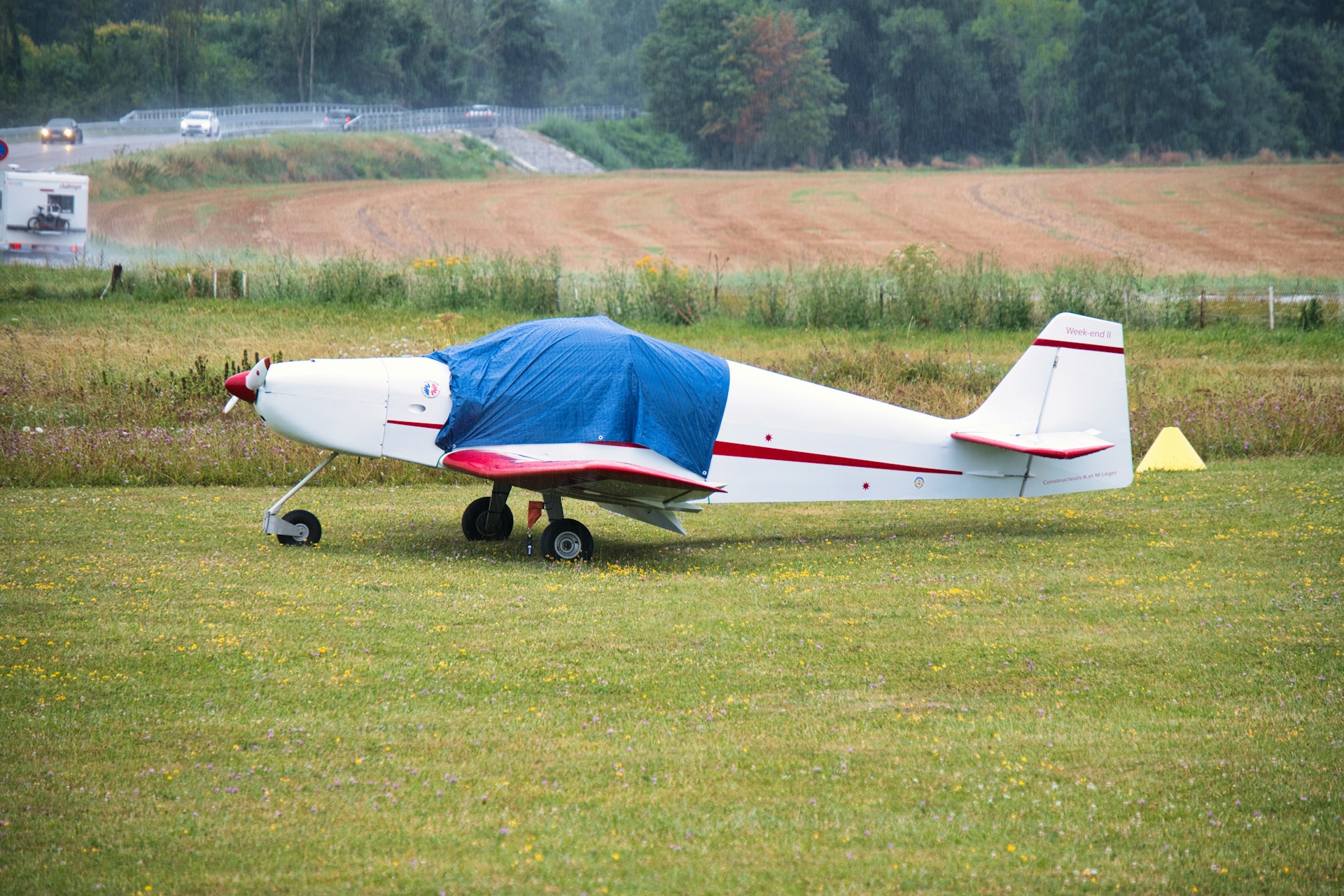
Photo by Jean-Luc Picard on Unsplash