Previous flying hours still count towards your PPL. If you started your pilot training in the past and stopped flying, your logged hours will still count and will not disappear or reset to zero. Read on for more information.
The short answer to this question is yes.
Previous flying hours still count towards your PPL. If you started your pilot training in the past and stopped flying, your logged hours will still count and will not disappear or reset to zero.
Here is everything that you need to know about previous flying hours and whether they are still valid when you pick up from where you left off.
Staying Up to Date with Your Flight Hours
There is a difference between hours counting towards the licence requirements and passing the skills test. Let’s look at an example of what we mean.
If you have completed 22 hours in dual instruction and have 8 hours solo with some circuit training and stopped flying for 3 years, then you will still be eligible for flight training and can continue with your previous stats.
However, when you join back after a long break, the flight school will review your logbook carefully.
This is done because the flight school will want to know if you have had a solid baseline in the past and whether you need to start again, or if your experience is enough to pick up from your previous training.
When you join a flight school, an instructor will be assigned to you to assess your current ability.
This will be done using a refresher flight which is designed to check your current level and determine the areas that need improvement.
It will also gauge your confidence during flight and will help the instructor design a customised training plan just for you.
So, you will not normally need to restart the entire PPL course if all goes well.
However, if you do show significant gaps in your training and confidence, then it would be best for you to start from the beginning. But even then, your previous flight hours will remain intact and count towards your licence requirement.
What To Expect After a Long Break
Candidates rarely “forget” how to fly. It's just that they need time to redevelop their muscle memory and gain confidence to man the aircraft during a solo flight.
When you come back from your break, the instructor will likely have you repeat the fundamentals of flight, which include:
- circuits and landings
- stalls
- emergency drills
- navigation
- radio procedures
- solo confidence
Flying, like any other skill, fades without practice, but the good news is that at the right flight school like Sherburn and with the right instructor, you will be able to quickly regain your skills.
Minimum PPL Hours – Will I Still Need Them?
Yes, you will still need the minimum PPL hours. The CAA requires candidates to pass the theory as well as skills tests along with finishing the minimum flight time requirements.
For PPL in the UK, the minimum hours required are 45 hours in dual instruction. However, most pilots aim to go for about 60 to 70 hours before they feel confident enough to fly safely.
So, while the CAA will recognise your previous flying experience, you will still need to aim towards getting up to 60 hours on top of your previous flight experience.
By aiming for 60 hours, you will be able to gain enough confidence to fly solo and freely, and since you will already have your previous hours in your logbook, you will technically be ahead of your peers!
What Should I Bring When Returning?
Apart from a good attitude and enthusiasm, you will require a few documents before you are allowed to start training again.
The most important document is your pilot file, which includes your old logbook. The logbook is the single most important document for any pilot because it highlights their training history.
You will need to bring a physical or electronic copy of the logbook, which ideally must be verified by your previous flight school.
You will also need to bring along any old instructor notes and details of completed milestones that include the following:
- first solo with flight details/notes
- solo consolidation
- cross-country flights (if applicable)
- exams passed
By providing these documents, the new school will be able to create a tight training plan rather than treating you as a complete beginner.
Always remember to never stack your performance with candidates that have come a long way in their training. They haven’t taken a break like you, so they are likely well-versed. Your only competition is yourself, so keep your focus on becoming the best pilot that you can be.
We recommend that you speak with your instructor freely and share your expectations with the new training plan. We also recommend that you share why you were not able to complete your flight training in your previous schools so that you and the instructor can work together to come up with a solution that can help you finish this time around.
Why Choose Sherburn Aero Club?
Sherburn Aero Club has been operational since 1964 and continues to pride itself on producing top-class pilots and offering top-notch aviation services.
The flying club opened a flight training school in the 1970s that offers private and commercial licences, along with pilot medicals to ensure a smooth journey going forward.
It is one of the largest flying clubs in the North of England and also one of the largest in the country. It is the ideal place for most of your training and flying needs, whether you are taking to the skies for an experience flight, starting your flying career, or have your own aircraft and are looking for hangarage.
Sherburn Aero Club’s fleet of aircraft includes the Piper PA-28 Cadet, the Piper PA-28 Warrior, and the Cessna 152 Aerobat (2-Seater). Major investments include an airfield refurbishment with new runways, hangars, and an extended clubhouse providing our members with a great environment while giving them the opportunity to pursue their love for flying.
Call us at 01977 682 674, email us at flightdesk@sherburnaeroclub.com, or message us via our online contact form for more information on the Private Pilot Licence in the UK, its requirements, previous flying hours, and whether they are still valid when you pick up from where you left off.
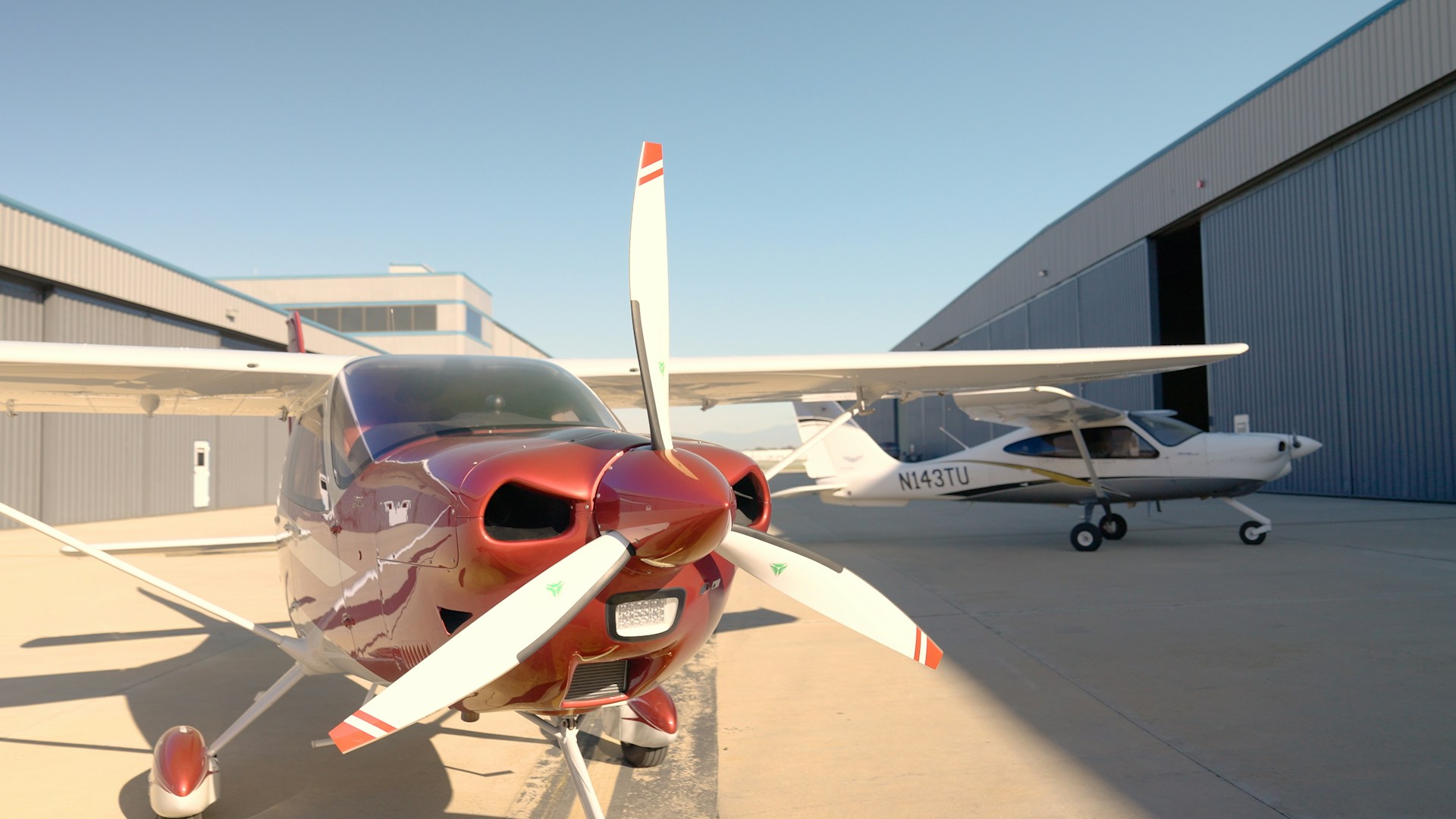
Photo by Horizon flights on Unsplash
Restarting your PPL training
Explore the complete Sherburn Aero Club guide to restarting, transferring or continuing interrupted Private Pilot Licence training.
| How to Restart PPL Training After a Break Review where you stopped and build a realistic route back into regular training. |
| Do Previous Flying Hours Still Count Towards Your PPL? Understand how logged experience and current competence fit together after a break. |
| Transferring Your PPL Training to Sherburn Find out which training records, logbooks and documents to bring with you. |
| What Happens If Your Previous Flying School Closed or Changed? Learn how to recover records and protect the progress you have already made. |
| How to Rebuild Confidence After a Long Gap From Flying Return to the cockpit gradually and rebuild familiarity without unnecessary pressure. |
| How to Catch Up on Theory Exams After Time Away Check your exam status, refresh important subjects and create a manageable study plan. |
| Returning to Flying After a Medical Delay Understand the steps involved in confirming your medical status and returning safely. |
| When Should a Student Pilot Change Instructor or School? Recognise when progress, communication, organisation or safety may justify a change. |