
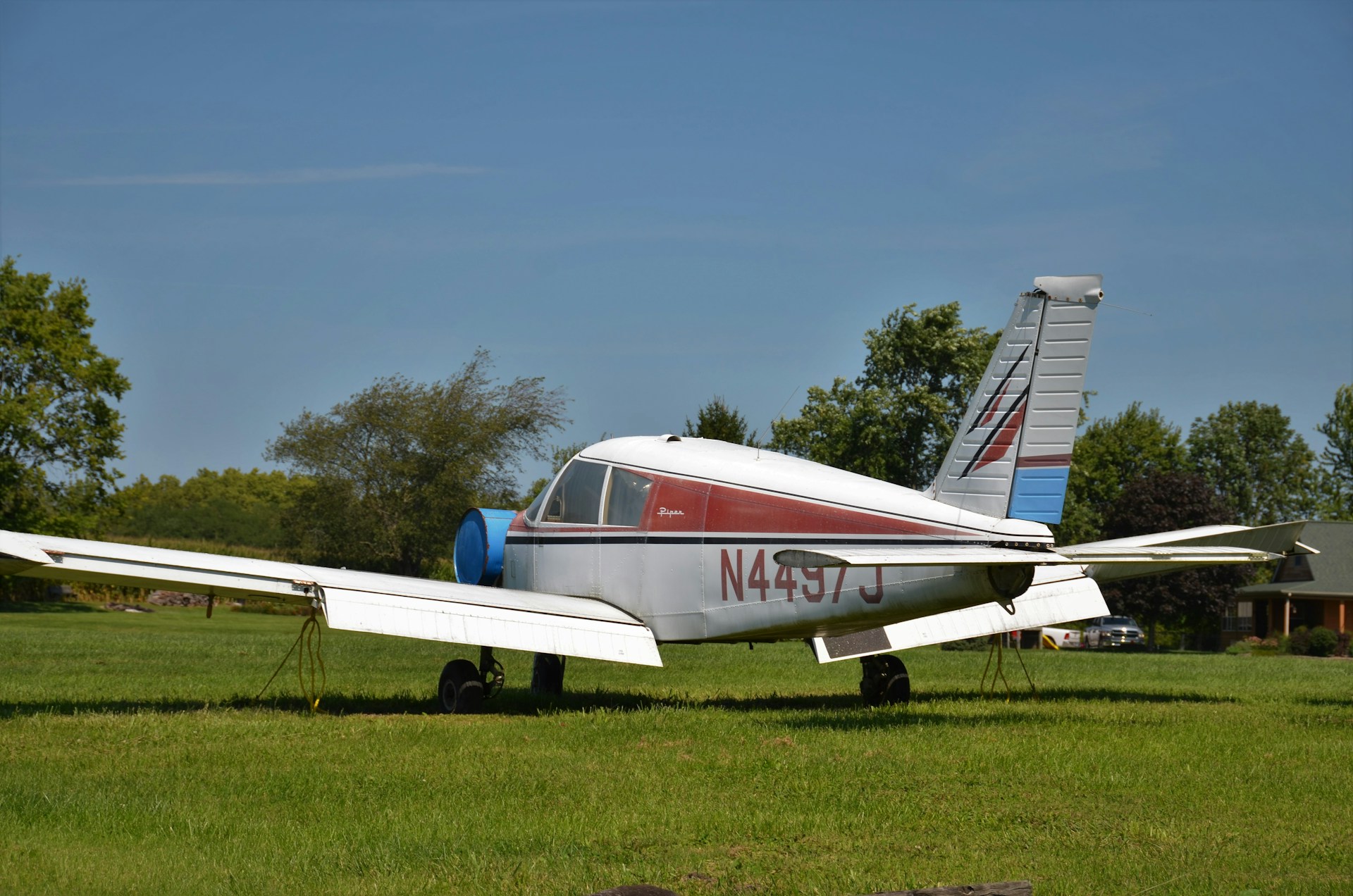
Read below to learn more about how to rebuild confidence after taking a long gap from flying.
Thinking about returning to flying after a long break?
If you want to get back into the cockpit, then congratulations on taking the first step. Convincing yourself to rejoin is the hardest, and if you are already reading this, then you may just need an additional push to get going.
Many pilots step away due to finances, work, family commitments, or medical issues, but the good news is that your flying skills usually return faster, especially if you were great at it before.
However, confidence is the one thing that may require rebuilding, and unfortunately, confidence often takes longer to rebuild than competence.
Read below to learn more about how to rebuild confidence after taking a long gap from flying:
Accepting Realities
After months or years of not flying, pilots commonly feel that they are slower in decision-making and have less confidence with radio calls, along with reduced aircraft handling sharpness and even nervousness.
The first step in getting back on to the saddle is acknowledging rust and accepting that you aren’t who you used to be – yet.
The thing is that most pilots do not lose the ability to fly. They still have the muscle memory! But aviation is about the combination of flight knowledge, skills, memory, and judgement.
If you ask us the quickest way back to normalcy, then we would sum up everything into one word: practice.
Aviation is a hands-on field that requires practice. It is the only thing that separates good pilots from great aviators.
The more you practice, the more your muscle memory will kick in and you will get back into the swing of things.
Start With a Refresher Flight
The key is to begin with a refresher flight instead of a test.
You already know that taking a direct test will result in you probably not doing so well – and you don’t need that right now, especially when rebuilding confidence.
Instead, go with a refresher flight that takes the pressure off of you. This flight will be a relaxed flight with a new instructor and a new mindset.
The refresher flight will help the instructor assess:
- Aircraft handling
- Circuits
- Navigation skills
- Radio confidence
- Emergency procedures
- General awareness
The instructor will take notes that they can use to build you a suitable plan while you can focus on rebuilding comfort and reestablishing your muscle memory.
After the flight, you will have a clear picture of where you lack and where you need to be.
Fly Regularly
Trust us, there’s nothing that frequent flying cannot fix!
If you have confidence issues, then the best way to get over them is to face your fears and keep flying.
For the first few flights, we recommend that you focus on rebuilding familiarity. Once you have that established, you can aim to fly every 1-2 weeks if possible and avoid taking long breaks between early flights to cement your training and rebuild confidence.
Refreshing Your Theory Concepts
Ground school is just as important and is a strict requirement if you want your licence in the shortest time possible.
The best way to go about refreshing your theory knowledge is to start with the most complex subject.
We recommend reviewing the following subjects first:
Always remember, you do not need to relearn everything from zero. A refresher aims to restore familiarity and confidence.
Go Over the Basics Until You Master Them – Again
The quickest way to rebuild confidence is to revisit the basics and focus on the most fundamental concepts of flight.
Keep your focus on the following:
- Normal take-offs and landings
- Circuit work
- Slow flight
- Stalls
- Steep turns
- Forced landings
- Navigation exercises
- Simple radio calls
Mastering these basics will create the foundation for everything else and help you become a confident student in your aviation journey.
Address The Reason You Stopped in the First Place
In some cases, confidence may not be the real issue. For example, students may be confident, but they may have stopped previously due to financial pressure, a difficult subject, a bad landing experience, a previous incident, or feeling like you are behind others.
Apart from the external issues, there is no easy way to say this, but if you want to progress as a pilot, then you must let go of the past and start fresh. Whatever thing that was holding you down will continue to be a hindrance until you talk to someone about it.
We recommend sitting down with your new instructors and sharing your previous experience and why you left. Good instructors aren’t just trained to help you get your licence but also help you become a capable professional.
They can help guide you towards success. You can even share external issues such as financial hurdles and come up with an effective plan that can help you get ahead without restarting again.
Why Choose Sherburn Aero Club?
Sherburn Aero Club has been operational since 1964 and continues to pride itself on producing top-class pilots and offering top-notch aviation services.
The flying club opened a flight training school in the 1970s that offers private and commercial licences, along with pilot medicals to ensure a smooth journey going forward.
It is one of the largest flying clubs in the North of England and also one of the largest in the country. It is the ideal place for most of your training and flying needs, whether you are taking to the skies for an experience flight, starting your flying career, or have your own aircraft and are looking for hangarage.
Sherburn Aero Club’s fleet of aircraft includes the Piper PA-28 Cadet, the Piper PA-28 Warrior, and the Cessna 152 Aerobat (2-Seater). Major investments include an airfield refurbishment with new runways, hangars, and an extended clubhouse providing our members with a great environment while giving them the opportunity to pursue their love for flying.
Call us at 01977 682 674, email us at flightdesk@sherburnaeroclub.com, or message us via our online contact form for more information on how to rebuild confidence after a long gap from flying.
Restarting your PPL training
Explore the complete Sherburn Aero Club guide to restarting, transferring or continuing interrupted Private Pilot Licence training.
| How to Restart PPL Training After a Break Review where you stopped and build a realistic route back into regular training. |
| Do Previous Flying Hours Still Count Towards Your PPL? Understand how logged experience and current competence fit together after a break. |
| Transferring Your PPL Training to Sherburn Find out which training records, logbooks and documents to bring with you. |
| What Happens If Your Previous Flying School Closed or Changed? Learn how to recover records and protect the progress you have already made. |
| How to Rebuild Confidence After a Long Gap From Flying Return to the cockpit gradually and rebuild familiarity without unnecessary pressure. |
| How to Catch Up on Theory Exams After Time Away Check your exam status, refresh important subjects and create a manageable study plan. |
| Returning to Flying After a Medical Delay Understand the steps involved in confirming your medical status and returning safely. |
| When Should a Student Pilot Change Instructor or School? Recognise when progress, communication, organisation or safety may justify a change. |