Read below to learn more about the costs associated with training and what a typical 5-year view for private pilots looks like.
Aviation can be a very fulfilling hobby or career, but just like anything else in life, it requires quite a lot of commitment, and we aren’t just talking about time here!
Flight schools need to maintain not just the fleet but all of the infrastructural and employee requirements as well. All these costs combined make aviation a very capital-intensive field, and it is one of the biggest reasons why aviation training is so expensive. If you are a pilot looking for long-term goals in aviation but don’t know how much it will cost, then this guide is just for you.
Read below to learn more about the costs associated with training and what a typical 5-year view for private pilots looks like.
Aviation And Aeroclubs
In times when you feel a bit all over the place, a community of like-minded individuals who love flying as much as you do may be an absolute game-changer. That’s where aeroclubs come in!
A staple for pilots all over the world, aeroclubs allow flying enthusiasts to mingle with and learn from others within the business, providing some great insights and hacks to navigate the world of aviation.
An aeroclub is a social place where aviation enthusiasts, from pilots to engineers, and even model-builders, gather to socialise and fly together. Many aeroclubs also double as flight schools; in fact, having a flight school with a club is one of the best ways to increase revenue sources for clubs.
An important distinction here is that not every flight school is the same. Every flight school has a different structure, and while all of them operate according to the baseline set by the Civil Aviation Authority, you can expect each school to have a different layout and structure in their club services and even training philosophies.
Student pilots join flight schools in hopes that they will eventually become members of an aeroclub, preferably, a member of the club where they learned how to fly! Comprehensive flight schools, like Sherburn Aero Club, offer this privilege to pilots who can choose to become members when they obtain their pilot licence.
Most pilots fall under two categories:
- Pure Enthusiasts
- Career Pilots
The enthusiasts are the people who only fly for fun and have a day job that they are comfortable with. These people may also be retired individuals who want to enjoy their retirement by picking up aviation as a hobby.
In any case, these pilots are content with flying recreationally but may also have an ambitious 5-year plan to become the best private pilot in the club. They do this by accumulating flight hours and by expanding the capabilities of their licence by obtaining additional certifications.
It reasonably takes 8 to 12 months for students to become pilots and obtain their PPL. Once pilots have their PPL, they can fly whenever they want, so long as they fly under VFR conditions. With additional certifications, PPL pilots can become capable enough to fly even after dark!
On the other hand, career pilots are focused on climbing the career ladder and achieving the highest level in their field. These pilots go on to eventually become captains or even shift their focus to the military.
Students who want to become career pilots usually have a stronger and clearer 5-year plan because they want to quickly climb the ladder and become capable enough to get a reputable job.
Generally, it takes established pilots 4 to 10 years to become a captain, starting from when they are hired as a First Officer. However, this depends on the airline type and pilot experience.
For this guide, we will be focusing on the enthusiasts, the general aviators, and the people who form the backbone of the pilot training industry.
Long-Term Flying Costs: A 5-Year View for Private Pilots
If you think that the majority of costs associated with pilot training end after you obtain your pilot licence, then think again.
Becoming a private pilot is only the beginning! You will slowly realise the real cost of flying over time when you encounter hourly flying costs, fixed annual costs, membership costs, fuel charges, storage costs, and more.
Specifically in the UK, aviation costs are relatively higher compared to other countries, so planning a 5-year outlook may give a clearer picture for ambitious PPL holders.
Here is a breakdown of the costs associated with each period of your training and after you obtain your licence:
Year 0–1: Getting Licensed (The Entry Cost)
This is when you initially start your pilot training by joining a flight school. Most pilots opt for a PPL rather than a CPL because they want to fly recreationally and because it is a low-hanging fruit compared to a CPL.
Typical costs can range from £12,000 to £15,000, depending on the quality of the flight school, its facilities, and faculty. Flight training alone, on average, costs about £10,000 to £11,000, while additional costs like exams, licence fees, medicals, and extras amount to about £2,000.
To be on the safe side, you can expect many student pilots to exceed minimum hours, which can balloon total costs up to £14,000 to £16,000.
Year 1–5: Post Licence Costs
Once you have obtained your PPL licence, your cost structure will shift from training to ongoing flying and ownership or access costs. These costs are set by the flight school, so they can vary greatly from one school to another.
Normally, for flying hours, which is the highest variable cost that you need to account for, you can expect around £180–£225/hour total.
Most private pilots fly 30-50 hours per year if they are casual flyers, while enthusiasts can fly anywhere from 50 to 100 hours. So, you can do the math and figure out the maximum budget you will need for your aviation journey.
Annual cost for low-usage pilots can be anywhere from £5,000 to £8,000, up to £15,000+ for regular users.
The above are all variable costs, but there is also the aspect of fixed costs in aviation as well.
These are the costs that you must pay even if you barely fly. Here are all the costs that you need to set aside yearly:
- Club membership: £150–£400/year
- AOPA or similar memberships: around £100/year
- Medical (Class 2): around £150–£250/year
- Charts, subscriptions, renewals: around 100–£300/year
- Total fixed costs will total about £500 – £1,000 per year.
Additional Costs Associated with Flying
Throughout years 1 to 5, you will have to account for the following additional costs that are required to fly:
Landing Fees and Miscellaneous Costs
Landing fees range from £10 to £30 per landing. When you factor in touch-and-go and circuit laps while training or casual flying, then these costs can add up fairly quickly.
There are also fuel surcharges, which are sometimes included, but you will have to read the fine print provided by your club to be sure.
Typically, these costs can range from £500 to £1,500 per year, depending on your activity level.
Additional Certifications and Proficiency Costs
When you become a pilot, you will always need to continuously learn more and become the best that you can. However, becoming the best requires a sacrifice from your wallet.
Furthermore, there are also some currency costs that you need to fulfil to remain safe and legal. These costs cover periodic instructor flights, biennial flight reviews, and night rating or additional certification.
Keep in mind that night rating and additional certifications are optional and depend on how ambitious you are and whether you want to expand the capabilities of your licence.
In most cases, these costs can total between £300 and £1,800, depending on how much you add on to your licence.
5-Year Projections
If you add all the above costs, this is what you should expect during your 5-year plan:
- Casual Private Pilot (30–40 hrs/year) - 5-year total: around £45,000 – £50,000
- Active Private Pilot (60–80 hrs/year) - 5-year total: around £65,000 – £75,000
- High-Use / Enthusiast Pilot (100+ hrs/year) - 5-year total: around £85,000 – £100,000+
Why Pilot Training Makes Sense
Now that you know the full expected costs for pilot training, we hope you aren’t deterred from pursuing your aviation journey because there is so much more to flying than just the costs.
Sure, aviation is one of the most expensive industries in the world, but it also offers benefits that no other industry does.
Here are some of the biggest reasons why pilot training makes sense, despite the costs:
Fulfilment and Access to Aircraft
Joining a flight school and learning to fly aircraft is the best way to get into the aviation industry because the alternative is to buy your own aircraft and rent an airfield. That can only happen if you are a millionaire, in which case, you wouldn’t be reading this guide.
A flight school subsidises all the costs and pushes only the most crucial costs required to maintain operations and strike a profit. The aviation industry operates on thin margins to make aviation accessible to everyone.
What’s even better is that flight schools also continually offer discounts and other monetary incentives to make aviation accessible. You also get the option for scholarships that can empower students to get into aviation from an early age.
When you do become a pilot, you can trust us when we say that you will not worry about the costs when you are in the skies. It's addictive, fulfilling, and extremely thrilling. It’s a high that only leaves you with a feeling of doing it all over again!
Furthermore, by joining a flight school, you can continuously keep on exploring different ways of flying by changing up your aircraft. Flight clubs offer the benefit of providing you access to their fleet.
You can casually fly on a Piper aircraft or try your hand at aerial aerobatics using a Cessna. The sky is the limit with a great flight school, and there is no better way to get your money’s worth than joining a comprehensive flight school with a diverse fleet.
Most aeroclubs offer a fleet to their members on an hourly basis, with the fares being fairly low and affordable. If your 5-year plan includes eventually purchasing your own aircraft, then this is a great way to go! You can easily fly a variety of different aircraft through the club’s fleet, allowing you to make an informed decision when it comes to purchasing an aircraft.
Community
Flying is an activity that is best enjoyed with people. Aeroclubs don’t just offer a place to teach, but they are also places where people socialise and bond over their love for aviation.
The community that flight schools offer isn’t just for socialising, though; it is also a great opportunity to learn from the experience of the diverse community of pilots and other aviation professionals that visit the school.
Aeroclubs such as Sherburn usually have a clubhouse where pilots can relax and unwind when they aren’t flying. The clubhouse is home to a restaurant and bar, so that you can talk about flying over a pint of beer or a delicious meal.
Beyond PPL
If you want to be the very best, then there is no better way than to join a flight school and fully realise your dream of flying aircraft.
Flight schools offer the right atmosphere and resources to empower students to become the very best. Of course, if you find that you have a knack for flying, then you will quickly forget about the costs.
In fact, since most comprehensive schools, like Sherburn, offer discounts and incentives, you can easily get a good deal that can allow you to fly under subsidies.
Furthermore, PPL pilots can also choose to go beyond their licence and pick up training where they left off to pursue a CPL.
A CPL can allow you to earn money from your skills. So, then flying will become more of an investment than a cost. You can access training facilities within the club, with simulators as well as established Certified Flight Instructors (CFI) helping you reach your flying goals.
Why Choose Sherburn Aero Club?
Sherburn Aero Club, which has been operational since 1964, is the ideal place for most of your training and flying needs. It is one of the largest flying clubs in the North of England and also one of the largest in the country.
If you wish to begin your career in aviation or wish to take to the skies as a hobby, Sherburn’s flight training school offers private and commercial licences, along with pilot medicals to ensure a smooth journey going forward.
For those who wish to experience the thrill of a flight for fun or to help fuel their aviation dreams, Sherburn offers experience flights for the newbie, as well as the veteran, in various types of light aircraft.
The flight experience option is also available for people who wish to take to the skies for special occasions, even if they aren’t into aviation in the long run.
With a large fleet of new aircraft and an airfield refurbishment with new runways, hangars, and an extended clubhouse, we cater to brand-new flyers who have just started their journey to the skies, as well as seasoned flyers who have been operating aircraft for decades.
Sherburn offers a dedicated day-long Flight Radiotelephony Operator’s Licence (FRTOL) course for those wishing to get the certification, running on the first Sunday of every month.
In addition to that, if you are looking for a hangarage for your own aircraft, need servicing or repairs, want to buy a new aircraft or aviation equipment, or are just looking to enjoy and watch the aircraft, Sherburn Aero Club is the place to be.
Call us at 01977 682 674, email us at flightdesk@sherburnaeroclub.com, or message us via our online contact form for more information on light aircraft, training requirements, licensing procedures, and what a typical 5-year view for private pilots looks like in terms of long-term flying costs.
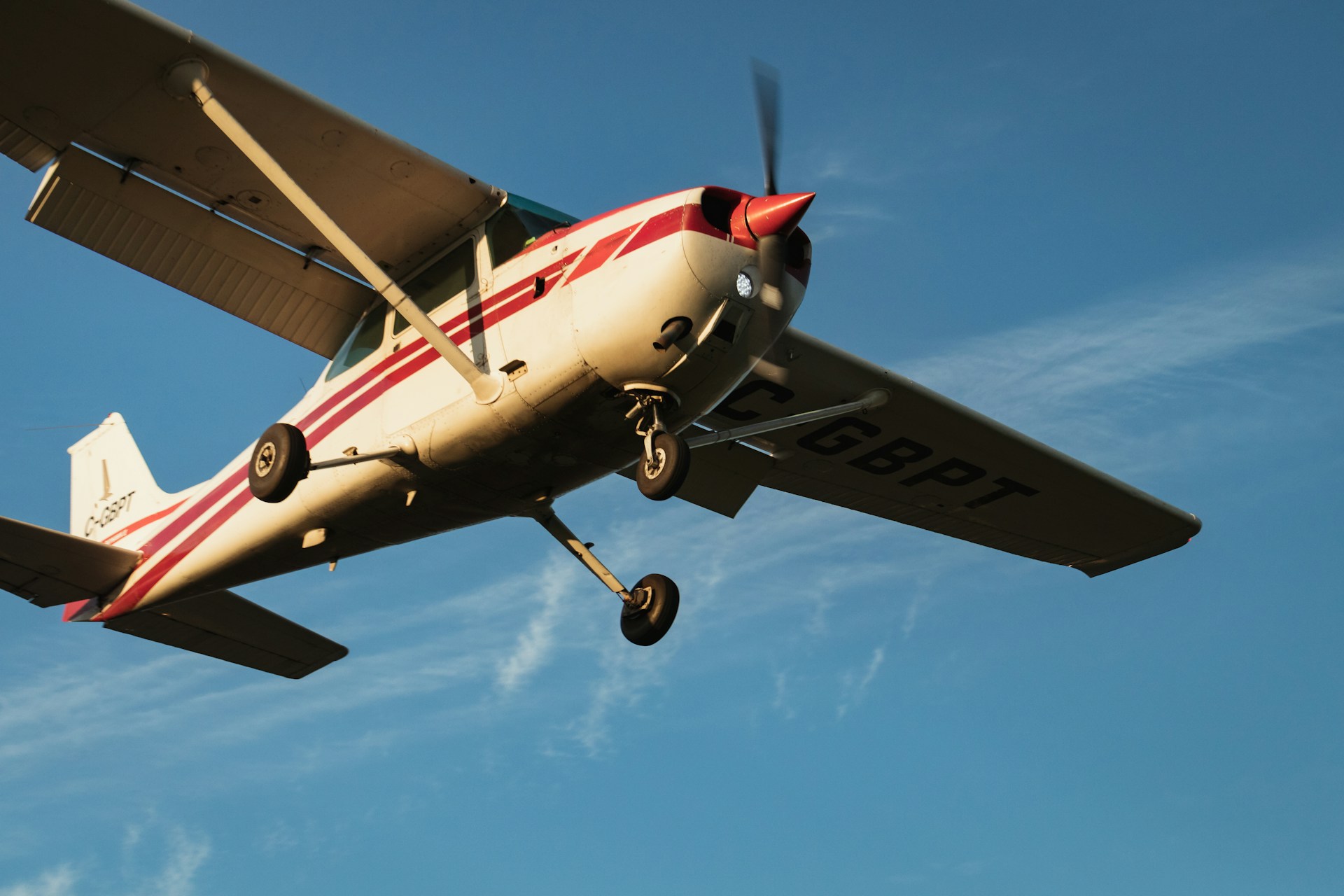
Photo by Greg Rosenke on Unsplash