
The good news is that the industry is responding positively to these changes, and students now have a lot of options to choose from when it comes to flight training. Read below to learn more about flight training and whether it is still worth it in the UK.
Short answer: yes. Learning to fly is still very worth it in the UK in 2026, so long as it matches your budget, expectations, and outcomes. However, there are still some nuances that you need to know before you start shortlisting flight schools.
With economic conditions worsening and disposable incomes shrinking, learning to fly may shift from a great activity to learn to a part-time hobby or a luxury.
The good news is that the industry is responding positively to these changes, and students now have a lot of options to choose from when it comes to flight training.
Read below to learn more about flight training and whether it is still worth it in the UK.
Learning To Fly – Yay or Nay?
Flying in the UK is still one of the most rewarding skills that you can learn. However, it is no longer a casual hobby decision since it requires serious financial and lifestyle commitment.
The reality is that the biggest blockade in aviation training is the cost. We are already seeing an economic downturn that is going to last for some time until world politics become better.
These changes are causing a surge in pricing all over the world and not just in the UK. Costs for flying have consistently gone up in the past couple of years, and we can see a direct correlation between rising costs and declining interest in flying.
Thankfully, though, the industry is taking notice and is responding to these changes to make aviation more affordable.
Typically, these are the costs that you can expect if you pick up aviation training:
- Private Pilot Licence (PPL): around £12,000 – £18,000
- Microlight Licence (cheaper route): around £5,000 – £8,000
- Commercial Pilot Licence (career or ATPL route): £95,000 – £115,000
These are just the training costs. There are also other costs, such as aircraft hire costs, landing fees, and more, which can cost a couple of hundred to thousands per year, depending on how active you are.
What this means is that the UK is one of the most expensive places in the world to learn to fly, but there is a silver lining to all of this: the UK offers one of the best places to fly with the best flight experiences and standards in the world.
That’s right, the UK is probably one of the best countries to learn to fly in the world, and the licence that you get from the UK’s CAA will be recognised worldwide. Since you will also be following strict standards, your training will be on par with that of one of the best pilots in the world.
Is Learning to Fly Still Worth It in the UK?
To directly answer this question, let’s look at when flying may be worth it for you:
You Love Flying
Everyone loves the feeling of flying, but there is a difference between enjoying the feeling and enjoying the experience of learning how to fly.
If you genuinely love flying and not just the idea of it, then you may just take the leap and learn how to fly successfully.
Flying gives you a skill very few people have; it offers real freedom for travel and is a lifelong hobby with depth and challenge. It is unlike anything else and can pay dividends in how fulfilling it is.
For many people, all these things alone justify the cost. If you have the passion, time, and funds, then we believe that you can quickly progress through training and experience the very best of aviation.
Affordability
As mentioned earlier, cost is one of the biggest reasons why people stay away from flight training and just enjoy the experience vicariously through movies.
Costing and budgeting in aviation training are critical. If paying for training means taking high-interest loans, draining essential savings, and causing financial stress for you, then you already know that flight training may not be for you.
Training with a burden on your shoulder is not worth it at all because it can be a heavy toll, especially if you aren’t passionate about the idea of flying. However, if you can pay as you go and treat training as a premium hobby, then it becomes comparable to other high-cost interests.
Long-Term Hobby
Flying requires consistency, deep commitment to study, and ongoing training. If you are looking for a serious, long-term hobby, then flying is very hard to beat.
If you can commit to ideally one or two lessons per week and are eager to go through theoretical training and pass all nine PPL exams, then you may have the right mindset to pursue training.
Keep in mind that without commitment, passion, and enthusiasm, training can become an expensive, unfinished project that you may just regret later.
So, if you are someone who has a short attention span and gets bored easily, then you will have to weigh your options very carefully.
When Is Flying Not Worth It?
On the flip side, here are some of the clear reasons why flying may not be worth it for you:
Short-Term Infatuation
If you have just discovered aviation and been exposed to a cool movie like Top Gun, then you may be curious about aviation.
There is a difference between just being curious and committing to training. There are far better (and much cheaper) ways to fulfil your curiosity. If flying is too expensive to approach casually, and you have an itch to see what aviation is about, then we recommend that you go for trial flights or experience flights.
These flights give you a glimpse into the world of aviation without the commitment. You will be put right next to an experienced pilot who will take you for a ride of your lifetime. In a way, you will experience what it is like to be a pilot, without having to commit to training or a licence.
It’s a win-win, and you can also take a friend or family member with you! It’s the best way to quench your curiosity without breaking the bank.
Career-Oriented but Without Planning
If you want to build a career in aviation, you can expect the average cost of a Commercial Pilot Licence (CPL) to be in the neighbourhood of about £100,000.
That is a lot of money for a lot of people, and not many people can commit to a strenuous training regimen. However, it is also important to keep in mind that CPL pilots can also easily earn back this initial investment over time, especially if they aim to become captains.
The road from being a student to captain, however, is long, expensive, and tiring. This is why if you do not have the mental aptitude, patience, and a proper plan, then flight training might not be worth it for you.
How To Know If Flying Will Be Worth It for You?
Knowing if flying is worth it for you is difficult, but there is a simple test that you can perform that will give you a good idea of where you stand.
Ask yourself: would I still want this if it cost probably more than £15,000 and took a year?
If the answer is yes without hesitation, then flying may be worth it for you, especially if you have other people who are on the same boat as you or people who are in active training.
If the answer is no, or if you hesitate, then you might want to steer clear of full-on training and focus on getting a trial lesson first. This can allow you to adjust your expectations and confirm whether flying is really for you.
Top Challenges of Learning to Fly in the UK
Here are some additional factors and challenges of learning to fly in the UK that you need to keep in mind when deciding whether flying is worth it for you:
Budgeting
We breezed through finances above; the truth is that people see lump sum figures and think that they might be able to pull it off. However, the truth is that flying requires serious budgeting skills because that lump sum figure can easily balloon to new heights depending on your training requirements.
Learning to fly can include various fees such as aircraft rental fees, fuel costs, training materials, licensing fees, flight training fees, medical licence fees, and more. There are also fixed costs, such as membership fees, that can put a further dent in your wallet.
Learning to become a commercial pilot is even more expensive because commercial pilots have a tougher training curriculum than PPL pilots. Private licences themselves aren’t cheap either, since the average cost for a private licence can go anywhere between £12,000 and £18,000.
You may also go for additional certifications, which are necessary to help you expand the capabilities of your licence. In this case, you can expect an additional thousand quid here as well. Since there are multiple certifications, the cost can go up significantly from the baseline figure mentioned above.
The good news is that some flight schools, like Sherburn Aero Club, offer various discounts and a relatively relaxed fee structure, especially for younger pilots. This can allow you to get into the game early on and have your training costs subsidised.
Commitment
Can’t take out time for other hobbies in your life? Then flight training may not be for you. Unlike other hobbies that you can jump in and out of fairly easily, flight training requires considerable time.
You can expect to train for about 8 months to about a year or more, depending on how quickly you progress through training. Even people with time and money can take about 3 to 6 months of training.
Furthermore, if you can’t take out time and still decide to get into aviation training, then you can expect the total cost of your training to go up as well. For example, if you only train once every 2 weeks, then you can bet that you will spend a lot of time revisiting the old lessons and get stuck in a loop that will drain your wallet.
This is especially true if you factor in the theoretical section of flight training as well. If you do not give enough time for ground school training, then you will likely develop a weak understanding of the theoretical and practical concepts of aviation and may not be able to pass the mandatory exams.
Physical and Mental Aptitude
Flight training doesn’t just affect your wallet, but it also takes a toll on your physical and mental health.
However, there are two ways to look at this.
Many people feel comfortable under pressure, and if they are passionate about something, they don’t mind the challenges they face. In this case, these types of people will be able to rise to the occasion and match the physical and mental fitness required to obtain their licence.
The other types are the people who have the mental strength, but they have physical limitations due to disease. Pilot licences require candidates to go through medical testing. If the tests result in a condition that may affect your ability to fly, such as heart conditions, then you may not be eligible for a medical licence, which is required for your PPL licence.
In this case, a Light Aircraft Pilot Licence (LAPL) or experience flights may be a better fit for you. People with debilitating anxiety may also not be able to fly since pilots may face emergencies that require them to make quick and effective decisions.
Emergencies can put quite a lot of mental pressure and stress on the pilot. So, if you are someone who doesn’t handle stress well, then you might struggle with learning how to fly.
Why Choose Sherburn Aero Club?
Sherburn Aero Club, which has been operational since 1964, is the ideal place for most of your training and flying needs. It is one of the largest flying clubs in the North of England and also one of the largest in the country.
If you wish to begin your career in aviation or wish to take to the skies as a hobby, Sherburn’s flight training school offers private and commercial licences, along with pilot medicals to ensure a smooth journey going forward.
For those who wish to experience the thrill of a flight for fun or to help fuel their aviation dreams, Sherburn offers experience flights for the newbie, as well as the veteran, in various types of light aircraft.
The flight experience option is also available for people who wish to take to the skies for special occasions, even if they aren’t into aviation in the long run.
With a large fleet of new aircraft and an airfield refurbishment with new runways, hangars, and an extended clubhouse, we cater to brand-new flyers who have just started their journey to the skies, as well as seasoned flyers who have been operating aircraft for decades.
Sherburn offers a dedicated day-long Flight Radiotelephony Operator’s Licence (FRTOL) course for those wishing to get the certification, running on the first Sunday of every month.
In addition to that, if you are looking for a hangarage for your own aircraft, need servicing or repairs, want to buy a new aircraft or aviation equipment, or are just looking to enjoy and watch the aircraft, Sherburn Aero Club is the place to be.
Call us at 01977 682 674, email us at flightdesk@sherburnaeroclub.com, or message us via our online contact form for more information on light aircraft, training requirements, licensing procedures, and whether learning to fly is still worth it in the UK.
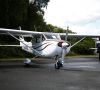
Photo by J Dean on Unsplash