Read below to learn more about winter flying and whether winter is a bad time to start flying lessons in the UK.
Weather conditions are a fundamental aspect of aviation and flight safety.
Although many people assume that flying is not possible during the winter season, the reality is that winter flying sessions can still take place, provided the necessary precautions and considerations are observed by pilots.
In fact, many people choose to learn to fly during the winter season due to winter break and cool temperatures. However, there are a few trade-offs to keep in mind.
Read below to learn more about winter flying and whether winter is a bad time to start flying lessons in the UK.
The Importance of Meteorology
Weather and aviation safety go hand in hand!
The aviation industry tracks weather patterns to ascertain the overall risk when planning a flight for a particular day. The study of weather is called meteorology, and in aviation, pilots need to be extremely well-versed in the many aspects of this field of study.
There is also a dedicated ground course on meteorology, which is focused on training pilots on how to assess weather conditions before even stepping into the cockpit. Meteorology covers subtopics such as wind speed, air pressure, and how to read and interpret weather patterns.
For winter flying, pilots and instructors take an even deeper look into the meteorological conditions to determine the overall safety profile of the flight. While the winter season offers convenience because flying in cooler temperatures is comfortable, pilots also need to keep in mind factors such as sudden snow and even icing problems.
Is Winter a Bad Time to Start Flying Lessons in the UK?
The short answer is no. Winter is not a bad time to start flying, but it does come with some trade-offs that you will need to keep in mind.
Here are some important discussion points for winter flying:
Cancellations
If you want to fly during winter, then you must come to terms with the fact that you will be faced with cancellations.
This is perhaps the biggest trade-off of flying or learning to fly during the winter months. Pilots fly under Visual Flight Rules or VFR conditions. These conditions dictate the weather conditions that enable pilots to fly without any added risk.
The UK already has variable weather, and winter can increase the chances of cancellations. Most cancellations happen due to the following:
- Low cloud and poor visibility
- Strong or gusty winds
- Rain and thunder
- Snow or icing conditions
Even if there is no snow, but the mercury level drops, hazards such as icing on the aircraft or slippery runways become a huge problem, which can make training and aircraft handling difficult.
Shorter Daylight Hours
Daylight hours during the winter months can also be a problem for training.
In the UK, sunset can be around 3:30 to 4:00 pm in December, and after-work flying becomes harder unless you are training for your Night Rating.
This means that apart from instrumentation and night training, pilots will not be able to fly after dark and therefore may have slower progress during the winter season.
Advantages of Winter Flight
Even with its trade-offs, winter isn’t totally bad for flying. Some instructors may even prefer students to learn to fly during the winter season.
The biggest reason for this is less busy flight schools. Fewer people start training in winter, so you get a higher availability of aircraft. Instructor schedules are also more flexible, and you may fly more frequently during the day when the weather allows it.
Cold winter days also offer very clear skies and great visibility. The air is smooth, and there is less thermal turbulence that can interfere with the controls of the aircraft. Better controls mean better performance, too!
Since cold air is denser, it can improve climb performance and make take-offs and landings easier in some cases.
Finally, if you do successfully train during the winter season, you will build stronger weather judgment and intuition. This can greatly improve decision-making and weather awareness skills, which are key to successful flying.
Strategies Used by UK Students During Winter
Students may even pick the winter season to learn how to fly because it can give them an edge. Since there is less rush at the schools and airspaces are less busy, you can get a good head start.
Fewer students also mean better teacher-to-student ratios for ground school training. If you struggle with difficult topics, then picking up ground school during the winter months can give you a significant advantage.
This is why many students in the UK start in winter and then focus on ground school, exams, and even simulator time.
When spring and summer come around, students then increase flying hours and switch their focus to practical training. By the time the exams near, winter students will already be prepared to effectively go through the examinations without problems.
Preparing for a Light Aircraft Flight
In order to fly a light aircraft (or any aircraft) during winter, pilots are expected to go through a checklist that can determine the risk profile of a flight.
Here are some of the things that every pilot must keep in mind in the context of winter and light aircraft training:
Weather Information
As mentioned above, winter training requires a keen eye on developing weather conditions every day.
Pilots are expected to use all the available resources to help them determine the weather conditions for the day. For example, Meteorological Aerodrome Reports, or METARs, can provide a snapshot of what you can expect from the weather during the day.
METAR reports are very detailed and can contain information such as temperature, wind speed, visibility, cloud density, wind direction, and any other concerning or plausible weather phenomena.
On the other hand, a Terminal Aerodrome Forecast or a TAF can also be used to determine the weather conditions over 24 hours.
TAF reports and the ability to interpret them are extremely important because they keep pilots safe and are indispensable in helping airlines plan flights.
The purpose of going with multiple sources is to see if all the sources have the same prediction for a particular day. If there is a source that says that there is a small chance of fog or cloudy weather, then you may have to double-check by using aviation-specific weather applications for your area.
Conditions to Avoid
Modern light aircraft are fitted with instruments that can help pilots fly even in bad weather conditions. However, for most beginners, it is important and legally required to fly only under VFR conditions.
Weather conditions bring multiple factors into the mix. Thunderstorms, for example, are usually accompanied by intense wind, rain, and, of course, lightning. Even trained professionals find flying in these weather conditions troubling, which is why beginners should remain grounded until conditions improve.
Another condition is related to lightning. Lightning can cause damage all over the aircraft. This includes damaging the electronics of the aircraft. Lightning or bad weather can also interfere with radio signals and may even cause communication equipment to malfunction.
Icing is also a serious problem and an emergency for pilots. Icing usually occurs when the temperature surrounding the plane drops below freezing. When this happens, the sudden drop can cause a buildup of ice that can reduce the performance of the aircraft and may even cause the engine to seize.
Even though light aircraft, like flex-wings, may have anti-icing or de-icing systems, the risk is just not worth it, which is why it is best to avoid flying in very cold temperatures.
Turbulence is another concern during the breezy winter months, especially when flying over uneven terrain like mountainous areas.
Turbulence isn’t a big issue for trained pilots, as it may also occur during clear weather. However, pilots can run into serious trouble when attempting to combat bad weather with unpredictable turbulence, such as during sudden snowstorms.
Visibility Check
Visibility is the number one priority for new pilots, regardless of whether they have instrument training or not. Visibility dictates how well you can control the aircraft. Some aircraft, like flex-wings, have an open cockpit, which may offer some visibility benefits, but if you run into thick fog, then the risk will increase exponentially.
Keep in mind that light aircraft, especially flex wings, don’t even have modern navigation instrumentation. In some models, you will only find a compass with no additional navigational hardware.
These disadvantages mean that if things go wrong, you will be flying blind, which is why you should just remain grounded until conditions improve.
Bad Weather and Runways
Runway problems are another reason why you should be careful about flying during the winter months. Ice and generally bad weather can severely impact the quality of the runway, which can spell disaster for incoming and outgoing planes.
Whether it's rain or ice, standing water or even a thin layer of snow can significantly impact control and braking.
This is why skidding is a serious concern, even for professional pilots. While many aerodromes and airports maintain their runways, it is better to wait it out or go with the advice of the ATC and your instructor when deciding whether to proceed with a flight.
Planning a Flight
Flight planning is an essential skill for pilots. This may not seem like much, but flight planning is what enables modern aviation to be so safe, effective, and efficient. Flight planning involves looking at various variables such as fuel calculations, terrain, weather conditions, and even routes.
Route planning is crucial because it allows pilots to literally steer away from bad weather or even restricted airspaces.
Keep in mind that your ability to plan and always be prepared will go a long way in your aviation career or general aviation journey.
Your flight plan will be the bible for you during your trip. It will contain details about all access points, routes, alternatives, fuel calculations, budgeting, and more. Of course, it will also have a detailed weather report using the METARs and TARs reports.
For the best experience, we recommend that you also take help from mobile applications such as SkyDemon. These applications are specifically designed for pilots and can immensely help in getting you prepared for any type of flight.
Both new and experienced pilots can benefit from them, and they are quickly becoming one of the most essential tools for pilots in the cockpit.
There are a lot of different apps to choose from. So, instead of wasting money on multiple subscriptions, we recommend going with the mobile application that your school endorses. Who knows, you might even get a discount on it through your flight club!
Keep Training
Pilots are like sharks. They need to keep moving and learning! Successful pilots all have one thing in common: they do not give up, and they keep training.
Aviation is an experience-based field that requires constant growth. This is why if you want to be the best, then you will have to commit to learning more about every aspect of aviation, including meteorology.
Pick up a book, watch videos, or attend a seminar to grow your understanding of the various topics in aviation.
If you can’t find the time to train practically during the winter months, then don’t waste the opportunity and get started on your ground school training.
Many comprehensive flight schools, like Sherburn, may even set up workshops or seminars during the winter months. By attending these events, you will be able to gain insight into various topics and quickly learn more than your peers who opt to take breaks during the winter season.
Ground school training can help you get ahead of difficult subjects and can prepare you much more effectively for the upcoming examinations!
Why Choose Sherburn Aero Club?
Sherburn Aero Club, which has been operational since 1964, is the ideal place for most of your training and flying needs. It is one of the largest flying clubs in the North of England and also one of the largest in the country.
If you wish to begin your career in aviation or wish to take to the skies as a hobby, Sherburn’s flight training school offers private and commercial licences, along with pilot medicals to ensure a smooth journey going forward.
For those who wish to experience the thrill of a flight for fun or to help fuel their aviation dreams, Sherburn offers experience flights for the newbie, as well as the veteran, in various types of light aircraft.
The flight experience option is also available for people who wish to take to the skies for special occasions, even if they aren’t into aviation in the long run.
With a large fleet of new aircraft and an airfield refurbishment with new runways, hangars, and an extended clubhouse, we cater to brand-new flyers who have just started their journey to the skies, as well as seasoned flyers who have been operating aircraft for decades.
Sherburn offers a dedicated day-long Flight Radiotelephony Operator’s Licence (FRTOL) course for those wishing to get the certification, running on the first Sunday of every month.
In addition to that, if you are looking for a hangarage for your own aircraft, need servicing or repairs, want to buy a new aircraft or aviation equipment, or are just looking to enjoy and watch the aircraft, Sherburn Aero Club is the place to be.
Call us at 01977 682 674, email us at flightdesk@sherburnaeroclub.com, or message us via our online contact form for more information on the impact of weather on flight training and whether winter is a bad time to start flying lessons in the UK.
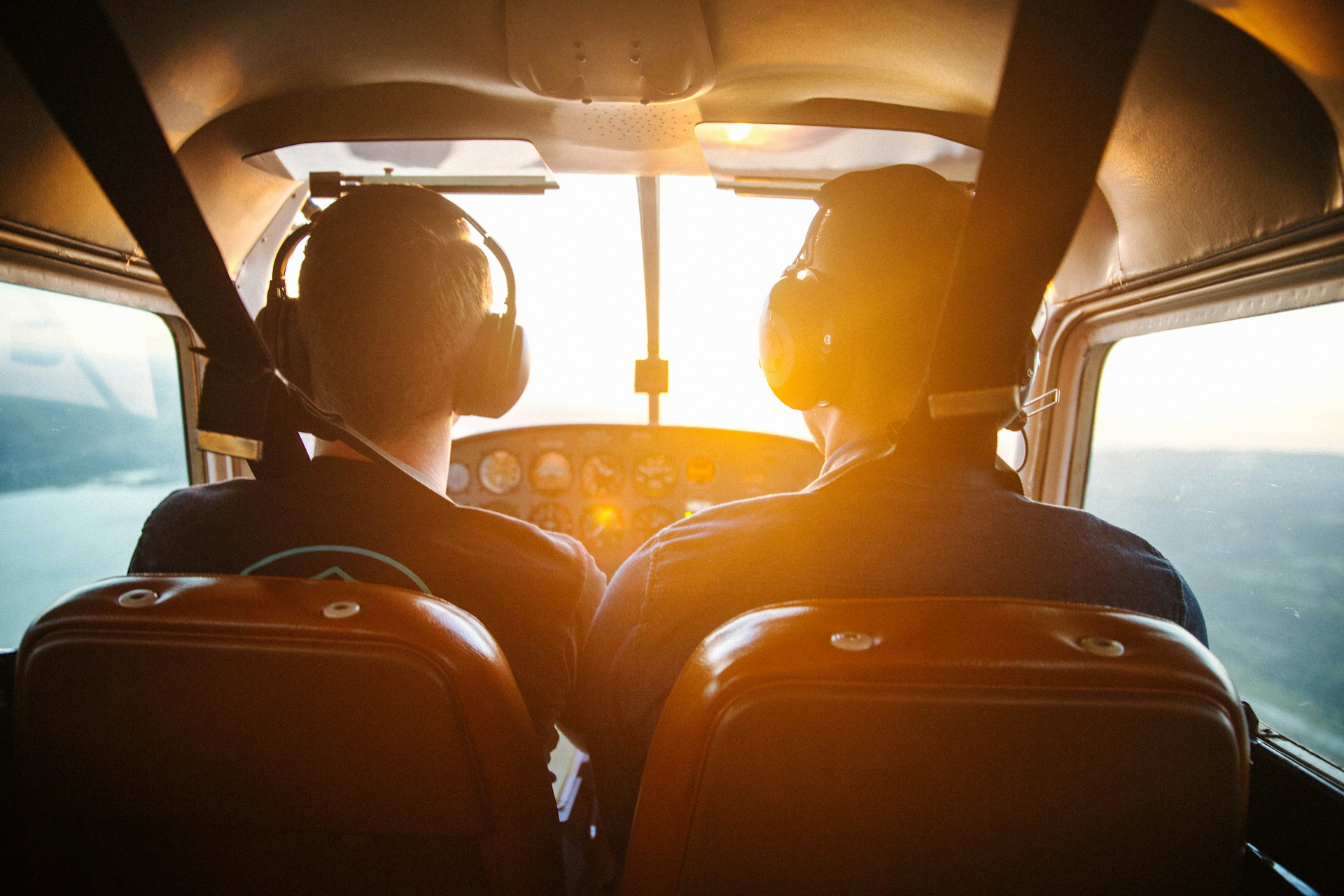
Photo by Avel Chuklanov on Unsplash